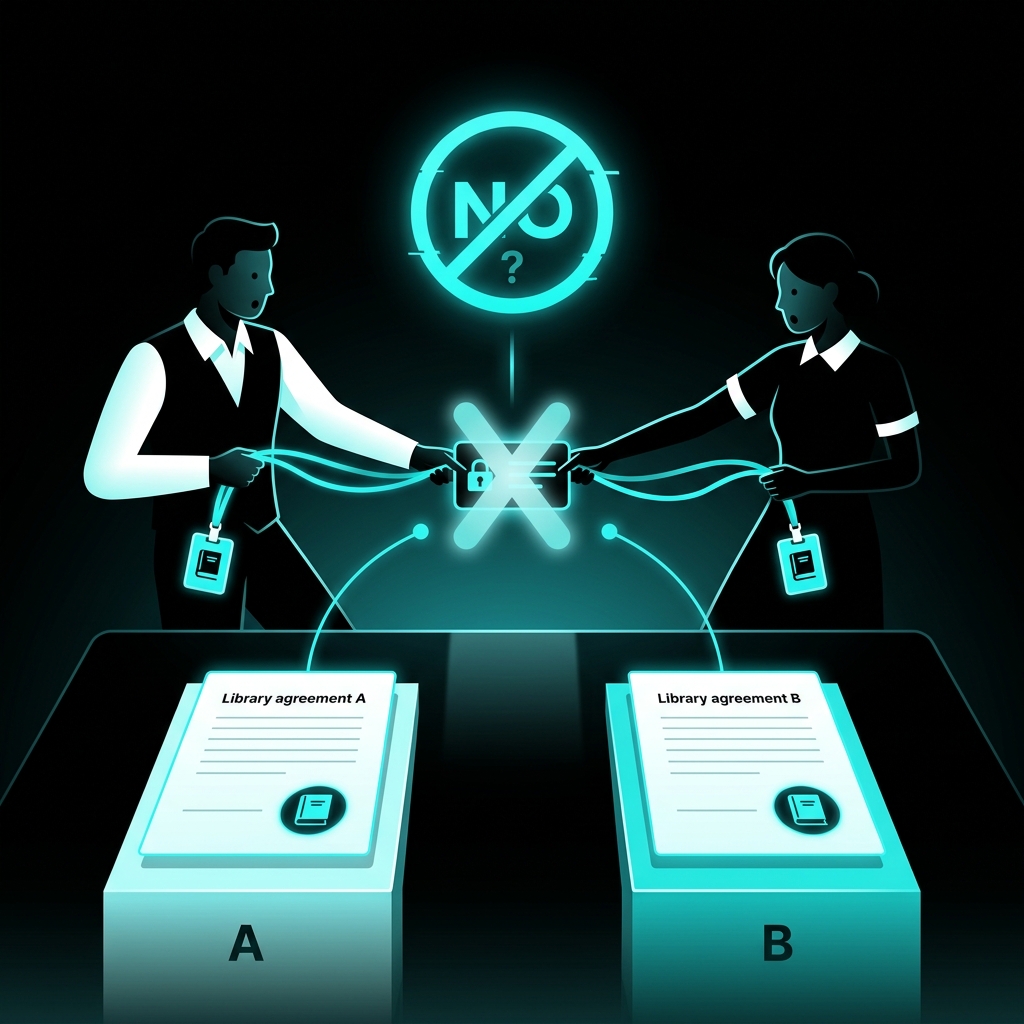
Conflict usually means an irreconcilable clash between two or more competing duties or interests. In contracts, it matters because it forces a court to decide which obligation takes priority when parties disagree. Before signing, check for specific clauses detailing how conflicts will be resolved.
Definitions
What is conflict?
Legal Definition
A conflict describes an irreconcilable disagreement or clash between two or more competing interests, obligations, or claims. This situation forces a decision on which duty takes precedence or whose right prevails in a legal dispute. The specific nature of that clash—such as a personal interest versus a corporate one—is what matters most to the court.
Plain-English Translation
A conflict is like when you get two permission slips for the same field trip; both say 'yes,' but only one can be honored at the end.
Term context
How conflict shows up in legal documents
What is it?
Conflict functions primarily as a doctrine governing contractual interpretation, litigation strategy, and statutory applicability. It determines which rule applies when multiple rules seem to point in different directions regarding rights or duties.
Why does it matter?
Ignoring a conflict clause can void an entire contract or lead to a judgment against the defaulting party. The risk of determining priority often rests with the breaching indemnitor or the filing creditor.
When does it matter?
A conflict arises when two clauses within a single agreement contradict each other, or when multiple statutes govern the same action concurrently. This situation triggers the need for judicial resolution.
Where is it usually seen?
This concept frequently appears in choice-of-law provisions of commercial contracts and is central to jurisdictional disputes heard in state trial courts.
Who is affected?
A franchisor facing a conflict between its regional agreement and master contract risks losing control over territory. A tenant experiencing a conflict between the lease terms and local ordinance gains leverage during eviction proceedings.
How does it work?
First, the court identifies the competing interests; then, it examines governing rules like 'lex specialis' (specific law overrides general law). Finally, it applies a tie-breaking rule to resolve which claim survives the clash.
Contract relevance
Why conflict matters in contracts
Ignoring a conflict clause can void an entire contract or lead to a judgment against the defaulting party. The risk of determining priority often rests with the breaching indemnitor or the filing creditor.
Document context
Where conflict appears in documents
Documents and sections where conflict appears, and why it matters in each
Document type
Section
Why it matters
Contract Agreement
Governing Clause/Indemnification Section
Determines which party's right prevails in an actual dispute.
Contract language
Common contract wording
Common contract wording for conflict, its plain-English meaning, and what to check
Contract wording
Plain-English meaning
What to check
Conflict of Interest
A situation where one party has competing loyalties or duties
Ensure the conflict is disclosed and manageable.
Red flags
Red flags to watch for
Ambiguous priority statement (e.g., 'shall be prioritized')
Does not clearly state *which* interest wins when two clash
What to check: Define the hierarchy explicitly.
Wording examples
Clearer wording examples
Vague wording
'Conflict of duties may arise'
Clearer wording
'If a conflict arises between these obligations...'
Vague wording
'This provision overrides all other terms in this agreement'
Clearer wording
'Notwithstanding Section 3.1, this clause governs any conflict regarding payment schedules.'
Note: “clearer” means easier to read — not legally reviewed or guaranteed safe.
Pre-signature checklist
What to check before signing
1
Does the contract define what a 'conflict' means?
2
Is there a designated mechanism to resolve conflicts?
3
Are all potential sources of conflict identified (e.g., fiduciary duty vs. personal gain)?
4
Does it specify which party gets the upper hand in a tie?
5
Verify that the conflict type is known (personal, corporate, statutory).
Party impact
How conflict affects each party
How conflict affects each party and what each should check
Party
What this party should check
Seller
Should check if their primary business interest conflicts with their side deal to the Buyer.
Buyer
Must confirm that the Seller's potential internal conflicts won't derail project timelines.
Lender
Needs assurance that borrower's conflicting debts won't trigger default clauses.
Comparison
conflict vs similar terms
conflict compared with similar legal terms
Related term
Plain meaning
Main difference from conflict
Conflict of Interest
A situation where a party's personal stake clashes with their duty to another entity.
Conflict is about competing duties; conflict of interest focuses on the bias or loyalty issue arising from those duties.
Contradiction
A direct opposition between two statements, facts, or claims within a single document or argument.
Contradiction usually exists *within* one claim; conflict often exists *between* two or more separate claims or obligations.
Breach
The failure to fulfill a specific promise outlined in an agreement.
Breach is the action of failing; conflict describes the underlying state where fulfilling obligation A prevents you from fulfilling obligation B.
Missing or vague
If conflict is missing or vague
If 'conflict' remains undefined in your agreement, you risk significant ambiguity during litigation.
Parties may argue over whether a minor disagreement qualifies as a major breach. The court then has to guess which interest was meant to be supreme.
This lack of clarity forces expensive discovery just to establish the nature of the clash.
Document map
Document section map
Contract sections to inspect for conflict
Contract section
What to inspect
Definitions
Look for specific definitions of 'Conflict' or 'Conflicting Interest'.
Indemnification
Check if one party's obligation to indemnify is in conflict with another duty.
Representations and Warranties
See if a representation conflicts with a warranty made by the same party.
Governing Law
Review how the jurisdiction handles conflicting state vs. federal obligations.
Visual model
Understand conflict fast
01
A landlord facing a conflict between a tenant's right to quiet enjoyment and a restrictive covenant results in a judgment favoring the tenant.
02
A borrower encountering a conflict between two separate collateral agreements forces the lender to choose which security interest takes priority under federal bankruptcy law.
03
A franchisor dealing with a conflict between its national brand guidelines and a local franchisee agreement leads to required renegotiation.
Conflict usually means an irreconcilable clash between two or more competing duties or interests. In contracts, it matters because it forces a court to decide which obligation takes priority when parties disagree. Before signing, check for specific clauses detailing how conflicts will be resolved.
What is conflict in plain English?
A conflict is like when you get two permission slips for the same field trip; both say 'yes,' but only one can be honored at the end.
Why does conflict matter in a contract?
Ignoring a conflict clause can void an entire contract or lead to a judgment against the defaulting party. The risk of determining priority often rests with the breaching indemnitor or the filing creditor.
When does conflict apply?
A conflict arises when two clauses within a single agreement contradict each other, or when multiple statutes govern the same action concurrently. This situation triggers the need for judicial resolution.
Where does conflict appear in documents?
This concept frequently appears in choice-of-law provisions of commercial contracts and is central to jurisdictional disputes heard in state trial courts.
Who is affected by conflict?
A franchisor facing a conflict between its regional agreement and master contract risks losing control over territory. A tenant experiencing a conflict between the lease terms and local ordinance gains leverage during eviction proceedings.
How does conflict work?
First, the court identifies the competing interests; then, it examines governing rules like 'lex specialis' (specific law overrides general law). Finally, it applies a tie-breaking rule to resolve which claim survives the clash.
What happens if conflict is missing or vague?
If 'conflict' remains undefined in your agreement, you risk significant ambiguity during litigation. Parties may argue over whether a minor disagreement qualifies as a major breach. The court then has to guess which interest was meant to be supreme. This lack of clarity forces expensive discovery just to establish the nature of the clash.
Share
Send this term to someone else fast
Copy the link, open native sharing, or scan the QR code from another device.
This layer links the term to nearby glossary entries, document use cases, and contract-risk guides so readers can move from definition to context without dead ends.
This page is an AI-assisted plain-English explanation based on LexPredict Legal Dictionary context and contract-review patterns. It is not legal advice. Meaning may vary by jurisdiction, industry, and exact clause wording.
Move from term to document
See the real contract language around this term
A glossary definition helps, but actual risk usually lives in the surrounding clause. Upload the full document and BrieflyGo will map plain-English meaning, red flags, and next steps.