In this article ▾
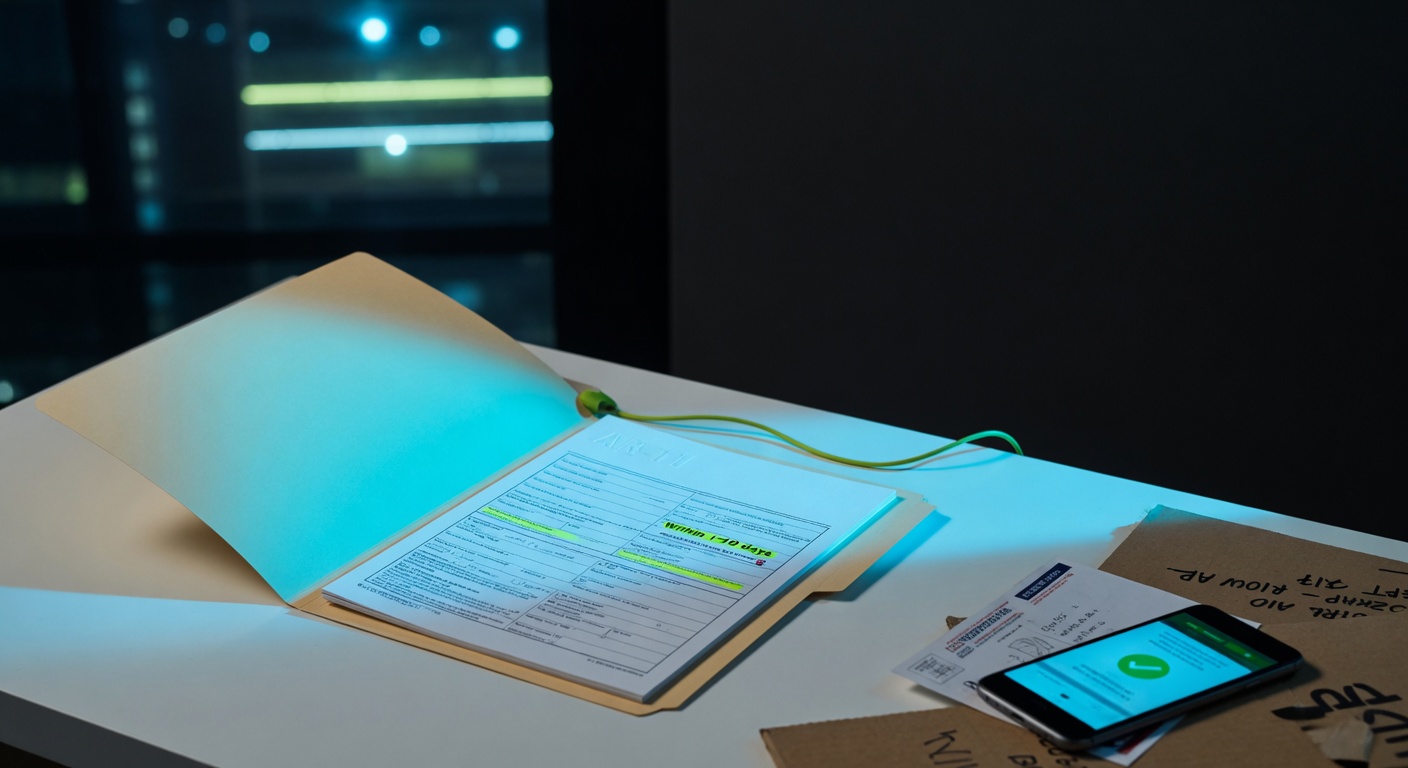
Moving to a new house or apartment is always stressful: packing boxes, renting a truck, transferring utilities. But for millions of non-citizens living in the United States, moving comes with another critically important, yet often ignored, step—filing Form AR-11 (Alien's Change of Address Card).
This short form is one of the strictest requirements of U.S. immigration law. In this article, we’ll break down the statistics, the hidden risks of failing to file, and how modern technology helps immigrants avoid fatal mistakes.
Statistics: The Scale of Migration and the Cost of a Mistake
The United States is a highly mobile country. According to the U.S. Census Bureau, about 11-13% of the population changes their residence every year. Among immigrants, this number is even higher, as they move more frequently in search of better jobs, more affordable housing, or to be closer to their communities.
Here are a few facts that show the scale of the issue:
Millions of submissions annually: USCIS (U.S. Citizenship and Immigration Services) processes millions of AR-11 forms every year.
The 10-Day Rule: The law (Section 265 of the Immigration and Nationality Act) requires you to notify the government of your new address within 10 days of moving. According to immigration attorneys' statistics, over 40% of foreign nationals are either unaware of this deadline or file late.
Lost Documents: Every year, thousands of Green Cards (Permanent Resident Cards), Employment Authorization Documents (EAD), and interview notices are returned to USCIS as "undeliverable." Changing your address at the post office (USPS) does not automatically update your address in the USCIS system.
What Are the Risks of Ignoring Form AR-11?
Many people think that failing to report an address change is a minor administrative offense. However, U.S. law takes it very seriously.
Missing Important Notices (RFE or Interview Notice): If USCIS sends you a Request for Evidence (RFE) and you don't receive it, your case will be denied and closed.
Delayed Status: A Green Card lost in the mail means months of waiting for a replacement and paying additional fees for Form I-90 (which costs hundreds of dollars).
Legal Consequences: While rare, technically, failing to file an AR-11 is considered a misdemeanor. It can be punished by a fine of up to $200, up to 30 days in jail, and can even serve as grounds for deportation.
Why Challenges Arise and How Legal-Tech Helps
It seems simple enough—just fill out an online form, right? However, immigrants often face the fear of making a mistake. Government websites can be overwhelming, and legal terminology in English can be confusing. Questions like, "Do I need to provide my A-Number if my case is still pending?" cause anxiety.
This is exactly where modern technology comes to the rescue. In recent years, the market for SaaS platforms that use AI to simplify bureaucratic processes has been growing rapidly.
A great example of such a tool is BrieflyGo. It is a platform designed to make handling legal and immigration documents clear and secure. Instead of getting lost in complex USCIS instructions, you can use BrieflyGo for:
Quick Requirement Analysis: The platform helps you understand the context of complex forms (like AR-11) and avoid common filing mistakes.
Risk Assessment: Thanks to AI integration, the service can point out non-obvious nuances in your case, reducing the stress of interacting with government bureaucracy.
Saving Time: A smart approach to structuring information allows you to focus on what matters most, leaving the legal routine to technology.
Using services like BrieflyGo not only saves your nerves but also gives you the confidence that you have your immigration process under full control.
Moving Checklist: What to Do When You Relocate
To ensure your move doesn’t cause immigration issues, follow this simple routine:
Update your address with USPS: Set up Mail Forwarding a few days before you move.
File AR-11 within 10 days: You can do this for free on the USCIS website or use specialized tools for peace of mind.
Update your address with other institutions: DMV (for your driver's license), banks, insurance companies, and your employer.
Save the confirmation: If you file the form online, be sure to save the PDF receipt with the Confirmation Number. This is your main proof that you complied with the law.
Immigration is a difficult journey, but the right tools and timely actions can make it much easier. Don't let a small thing like an address change put your future in the U.S. at risk.